Introduction
Pork spare ribs are tasty, tender cuts that are a favorite. Whether you grill, bake or slow cook, these ribs are a crowd pleaser for any occasion or everyday eating’. With so many marinades and styles of cooking, pork spare ribs offer a world of great tasting, lip smacking fun!
Choosing the Right Ribs
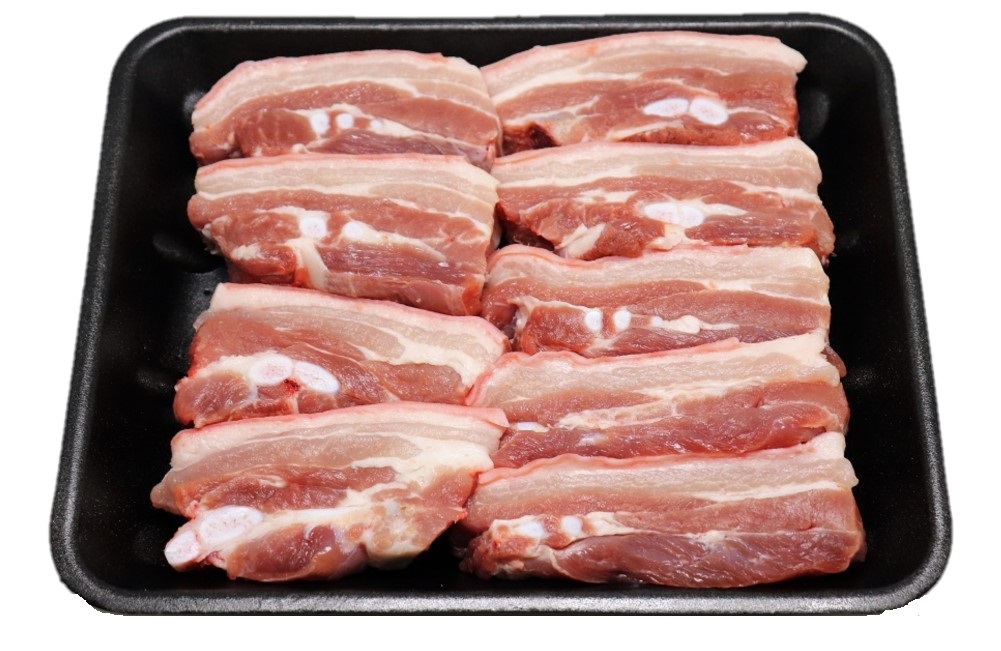
When you buy pork spare ribs, you want slabs with meat and fat as equally proportioned as possible. Ribs should be pink and vibrant looking, with no signs of discoloration. Spare ribs are located on the lower section of the ribcage and are meatier and bigger than baby backs, perfect for low and slow cooking or grilling.
Preparing the Ribs
Begin by removing the membrane on the back of the ribs. This will determine the ribs are tender, and the marinade will get inside the meat. Grasp the membrane with a paper towel and pull it off.
Marinating for Flavor
Great ribs begin with an excellent marinade. Soy sauce, brown sugar, garlic and spices such as paprika and black pepper are common. A splash of apple cider vinegar or lemon juice for some tang. Mix together and rub all over the ribs.
Allow the ribs to sit for at least two hours, or overnight, for more intense flavor. Time spent marinating in a sealed bag in the refrigerator allows for even coverage and maximum flavor.
Cooking Methods
- If grilling: Heat the grill to medium. Place marinated ribs on the grill, bone side down. Cook 1 1/2 to 2 hours, turning from time to time. Baste with more marinade or barbecue sauce during last 30 minutes for extra flavor, and a caramelized crust.
- To bake in the oven Heat the oven to 150°C (300°F). Wrap the ribs in foil and put them on a cookie sheet. Roast 2 1/2 to 3 hours or until tender. Remove the ribs from the wrap and brush with barbecue sauce. Turn the oven temperature up to 200°C (400°F) and bake for another 10-15 minutes, or longer for stickier glaze.
- Slow Cook: Using a slow cooker really is the key for fall-off-the-bone tender ribs. Transfer the marinated ribs into the cooker and pour in the some broth or water. Cook on low for 6-8 hours. 5/ Broil away Finish the ribs under the broiler for a few seconds to get some caramelization on them.
Serving Suggestions
Pork spare ribs are great with many sides. Traditional options are coleslaw, corn on the cob and baked beans. For a more light meal serve with a simple green salad or roasted veggies and you’re sorted.
For an even tastier meal, offer additional BBQ sauce or a tangy dipping sauce on the side. This enables diners to personalize their flavor journey.
Nutritional Insights
Nutritional Value Pork Spare Ribs is a good source of protein and vitamins. But they’re also fatty, so use moderation. Opt for the leanest cuts you can find and round out the meal with some healthy sides.
If you are keeping an eye on sugar intake, try a sugar free marinade or cut back on the added sugar if using a sauce.
Storage and Reheating
Leftover ribs can be stored in a covered container in the refrigerator for 3 days. To reheat, put the ribs in the oven at 160°C (320°F) and warmed through about 15-20 minutes. Splash with a little water or broth to maintain moisture.
Conclusion
If there ever was a flavor machine it is pork spare ribs, you have that delectable fat and crunchy skin it is hard to resist. The diversity of the cooking styles and marinades, can allow you satisfy diversity of tastes and occasions. With these easy steps everyone can make delicious ribs that will impress their family and friends!
Pork spare ribs are a hit at any function, whether its just a casual backyard barbeque with friends, or a special dinner. Their flavor is basting and appetizing with no excess fat their meat is tender and juicy, so you don’t have to worry about overcooking as you might in case of other sausage types.